
Grief is one of the most difficult experiences a family can face — and when children are involved, it can feel even more overwhelming. Many parents and caregivers ask themselves:
Should I protect my child from this pain?
Am I saying the right things?
How do I help them cope when I’m grieving too?
There are no perfect answers — but there are supportive, evidence-based ways to help children navigate loss while feeling safe, connected, and understood.
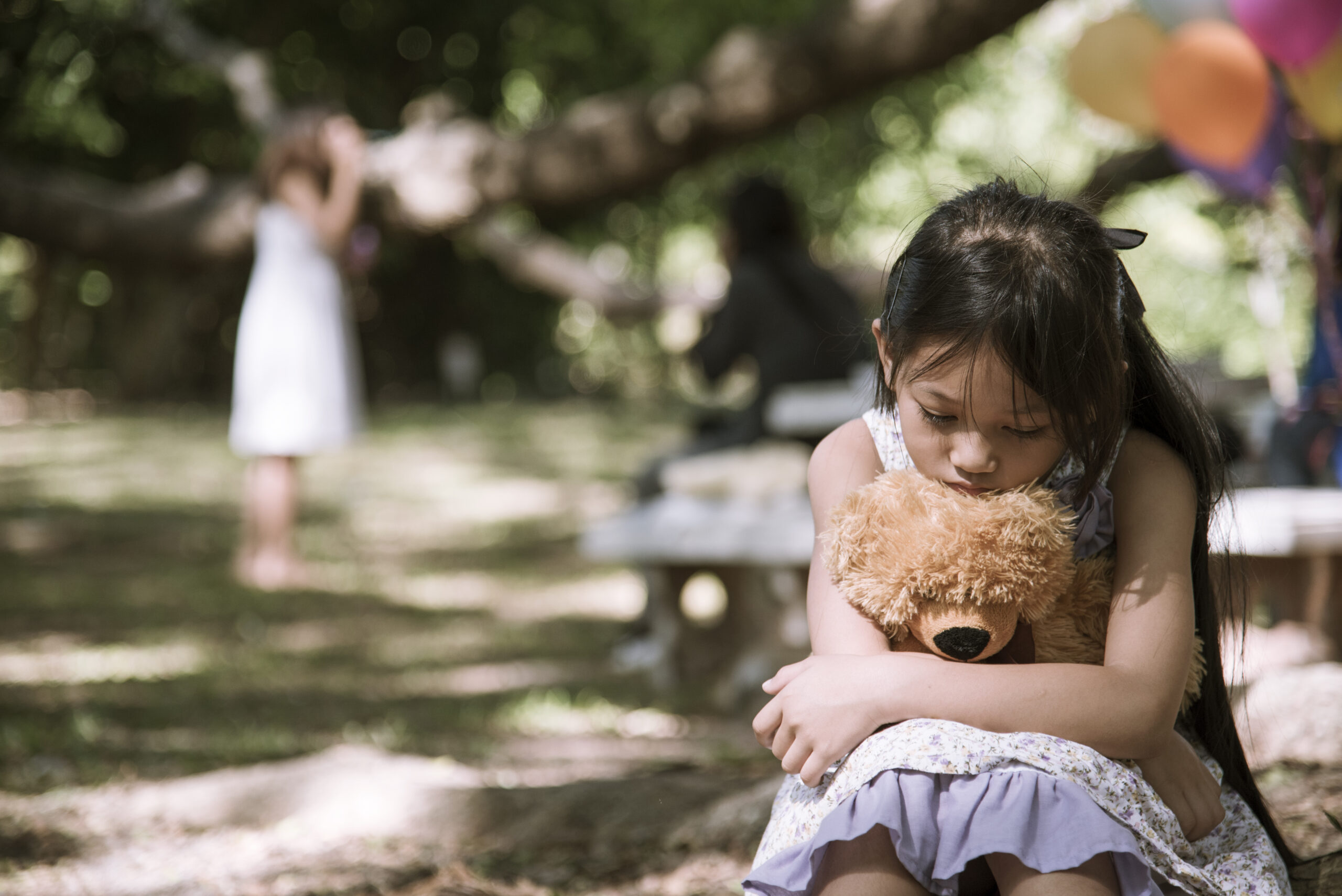
How Children Experience Grief (And Why It Looks Different)
Children do not grieve like adults — and that’s not because their grief is less deep. It’s because their brains and emotional systems are still developing.
While adults tend to experience grief in waves of sustained sadness, children often move in and out of grief. A child may cry intensely one moment and ask to play the next. This can feel confusing or even alarming to adults, but it is a normal and protective response.
Children process grief in small, manageable doses.
Common ways grief may show up in children:
- Behavioural changes (irritability, withdrawal, aggression)
- Regression (clinginess, bedwetting, sleep difficulties)
- Physical complaints (stomach aches, headaches)
- Repetitive play that reenacts the loss
- Questions that return again and again
- Moments of joy alongside sadness
This doesn’t mean the child has “moved on” or isn’t affected. It means their nervous system is taking breaks from emotional overload.
Research in child psychology and attachment theory shows that children cope best with grief when they feel emotionally safe, supported, and able to express their feelings without pressure to “be okay.”

What Children Need Most After a Loss
When adults are grieving, it’s natural to want to fix the pain — or to avoid talking about it at all. However, children benefit most from presence, honesty, and consistency.
1. Honest, Age-Appropriate Information
Avoid euphemisms such as “went to sleep” or “went away,” which can create fear or confusion. Simple, clear language helps children feel grounded.
For example:
- “Grandpa died. His body stopped working, and he can’t come back.”
- “We are very sad because we loved him very much.”
Children may ask the same questions repeatedly. This isn’t defiance — it’s how they process and try to understand permanence.
2. Emotional Permission
Children need to know that all feelings are allowed — sadness, anger, confusion, even relief or happiness.
Well-intended phrases like:
- “Be strong”
- “Don’t cry”
- “They wouldn’t want you to be sad”
can unintentionally teach children to suppress their emotions.
Instead, try:
- “It’s okay to feel sad.”
- “I’m here with you.”
- “Your feelings make sense.”
3. Predictability and Routine
After loss, the world can feel unsafe. Maintaining routines (mealtimes, school, bedtime rituals) helps children regain a sense of stability and control.
Routine doesn’t remove grief — it holds it.
Grief Lives in the Body: A Somatic Perspective
Grief is not only emotional — it is physical. Children often feel loss in their bodies before they can explain it with words.
From a neuroscience perspective, grief activates the stress response system. Children may become dysregulated, overwhelmed, or emotionally reactive — not because they are misbehaving, but because their nervous system is under strain.
Supportive somatic coping tools include:
- Deep pressure (hugs, hand squeezes, wrapping in a blanket if welcomed)
- Gentle movement (walking, rocking, stretching)
- Breathing together
- Sensory grounding (noticing sights, sounds, textures)
These strategies help the body feel safe — which allows emotional processing to follow.
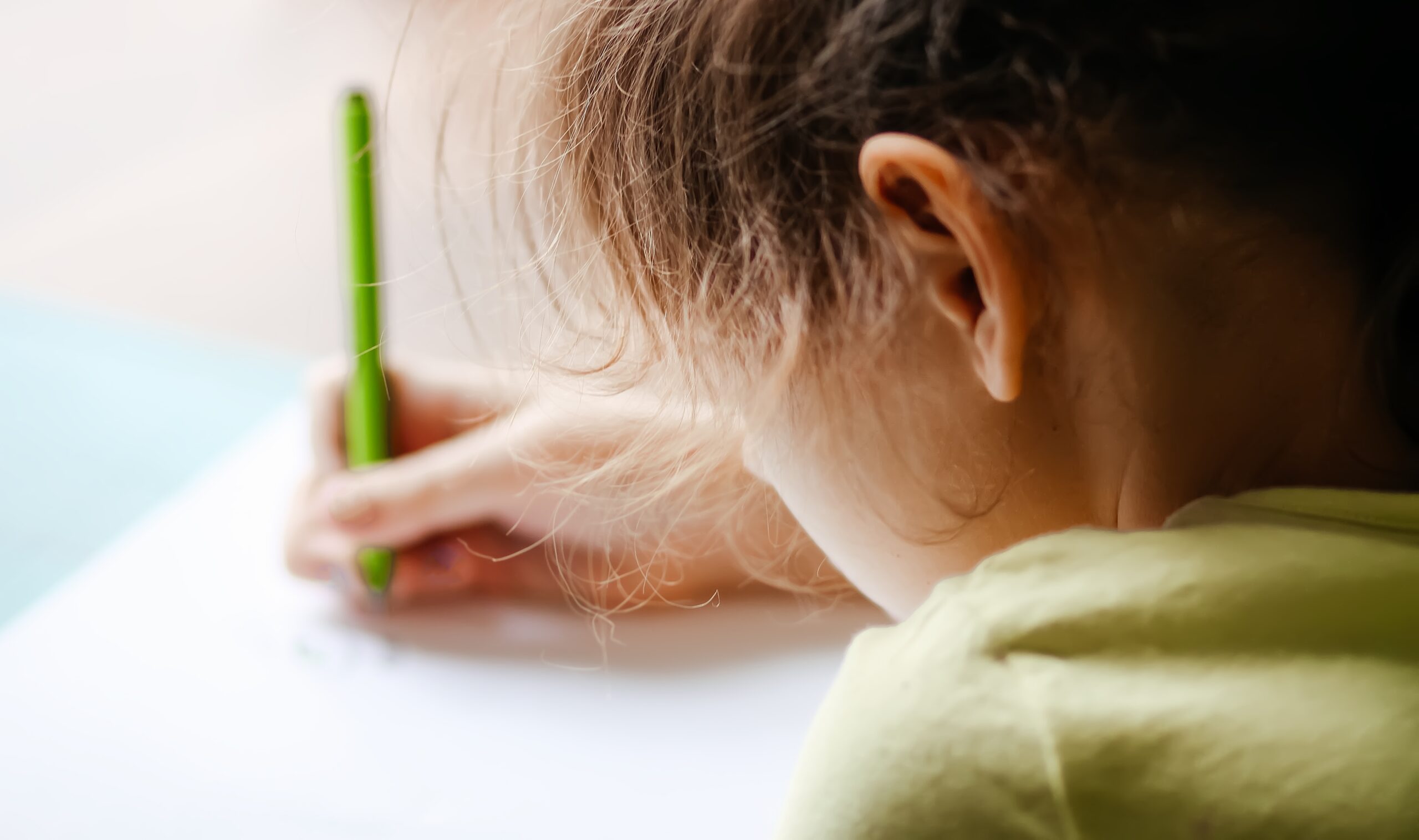
The Power of Words, Writing, and Stories
Many children struggle to talk about grief — but they can often express it creatively.
Writing, drawing, and storytelling provide a safe container for emotions that feel too big or confusing.
Therapeutic ways to use words:
- Writing letters to the person who died
- Drawing memories or feelings
- Creating a memory book or box
- Making up stories that include themes of loss and love
- Reading books or watching films that explore grief together
Stories — especially animated films — allow children to explore grief at a distance, making it feel safer and more manageable.
After a story or film, gentle questions can help:
- “What do you think the character was feeling?”
- “Did any part remind you of us?”
- “What helped them feel better?”

Helping Children Build Coping Skills
Coping with grief doesn’t mean “getting over it.” It means learning how to carry the loss while continuing to live, love, and grow.
Practical coping skills for children:
- Naming emotions: Using feeling charts or emotion words
- Safe expression: Drawing, movement, play
- Connection rituals: Lighting a candle, sharing memories
- Grounding tools: Breathing, sensory activities
- Permission to grieve: Allowing sadness without rushing it away
Children also learn coping by watching adults. Showing your own feelings — in a regulated, honest way — teaches children that grief is survivable and shared.
When to Seek Extra Support
Grief is not linear, and every child’s timeline is different. However, professional support may be helpful if a child:
- Shows prolonged withdrawal or distress
- Has significant sleep or appetite disruption
- Displays ongoing regression
- Expresses persistent fear, guilt, or hopelessness
- Struggles to function in daily life
Seeking help is not a failure — it is an act of care.
Family therapy or child-focused psychological support can provide a safe space for children and caregivers to process grief together.

A Final Reflection for Parents
You don’t need to have the perfect words.
You don’t need to hide your own sadness.
You don’t need to make the pain disappear.
What helps children most is knowing:
“I am not alone in this.”
Through presence, honesty, connection, and compassion, children learn that grief — while painful — can be held, expressed, and slowly integrated into life.
And in that process, they discover something deeply healing:
that love continues, even after loss.

Charlene
Clinical Psychologist and Family TherapistAccredited clinical and psychotherapy supervisor