The Christmas season in Malta is truly special — from colourful village decorations and festive pantomimes to nativity and crib displays, and children’s excitement about Father Christmas visiting our sunny island. It’s a time of warmth, family, and giving.
Yet, as parents, we often wonder: How can we help our children understand the true value of money and the meaning behind giving — without losing the joy of the season?
As a mum of two girls, aged four and six, I often walk that line between keeping the magic and fostering mindfulness. And as a psychologist and family therapist, I know how early lessons about money and generosity shape a child’s emotional wellbeing, self-control, and empathy later in life.
Research suggests that children learn about money from the adults around them — long before they handle it themselves. That means how we talk, act, and even feel about money has lasting influence. Let’s explore how we can make this festive season both joyful and meaningful.
1. Start with Conversations, Not Calculations
Children’s curiosity — “Why can’t we buy that toy?” or “How does Father Christmas afford all those gifts?” — offers golden opportunities for gentle, open chats. Avoiding money talk can make children think it’s a taboo subject. Instead, talking about money openly helps children feel confident, not confused or anxious.
You don’t need to share every financial detail. A simple message works:
“We save our money so we can buy the things we need and still have some for special things like gifts.”
Even at four or six years old, children can understand that money represents choices, not just numbers. Framing it this way helps them develop gratitude, not guilt or entitlement.

2. Bring Them Into the Giving Process
In Malta, Christmas often involves grandparents, cousins, and neighbours — an ideal setting to teach the joy of giving. Let your child choose a gift for a relative, bake cupcakes for a friend, or make a handmade card for their teacher.
Children learn far more through what they observe than through what they are told. When they watch generosity in action and take part in it themselves, they begin to understand that giving is an expression of kindness and thoughtfulness rather than something measured by cost.
In our home, my girls love wrapping gifts and announcing proudly, “This is for Nanna!” That sense of contribution builds empathy and joy — the heart of the season.

3. The “Save, Spend, Share” Method
Inspired by practical money education advice, this method turns abstract concepts into something real. Have three jars or envelopes: Save, Spend, and Share.
When children receive Christmas euros or a small allowance, help them divide it:
- Save for something they truly want (teaching patience).
- Spend on small joys like sweets or stickers (teaching independence).
- Share by donating or buying a treat for someone else (teaching compassion).
Financial learning can begin as early as age three or four through simple play, such as role-playing shops or handling pretend money. By five or six, taking children on real shopping trips helps them start making small decisions about spending and saving. As they grow older, introducing pocket money, simple budgeting, and conversations about household expenses can nurture healthy financial awareness in a gradual, age-appropriate way.

4. Keep the Magic, Add Meaning
You don’t have to choose between Santa’s sparkle and money mindfulness. Children can understand that while Santa delivers presents, families and helpers all play a role.
You might say:
“Father Christmas brings gifts, and we also work hard to make Christmas special. Everyone helps to give and share.”
This message beautifully combines the magic of Christmas with real-life values such as effort, gratitude, and care. It reminds children that generosity isn’t something that happens by magic alone — it grows from love, thoughtfulness, and the willingness to give time and effort to others.
5. Model What You Want Them to Learn:
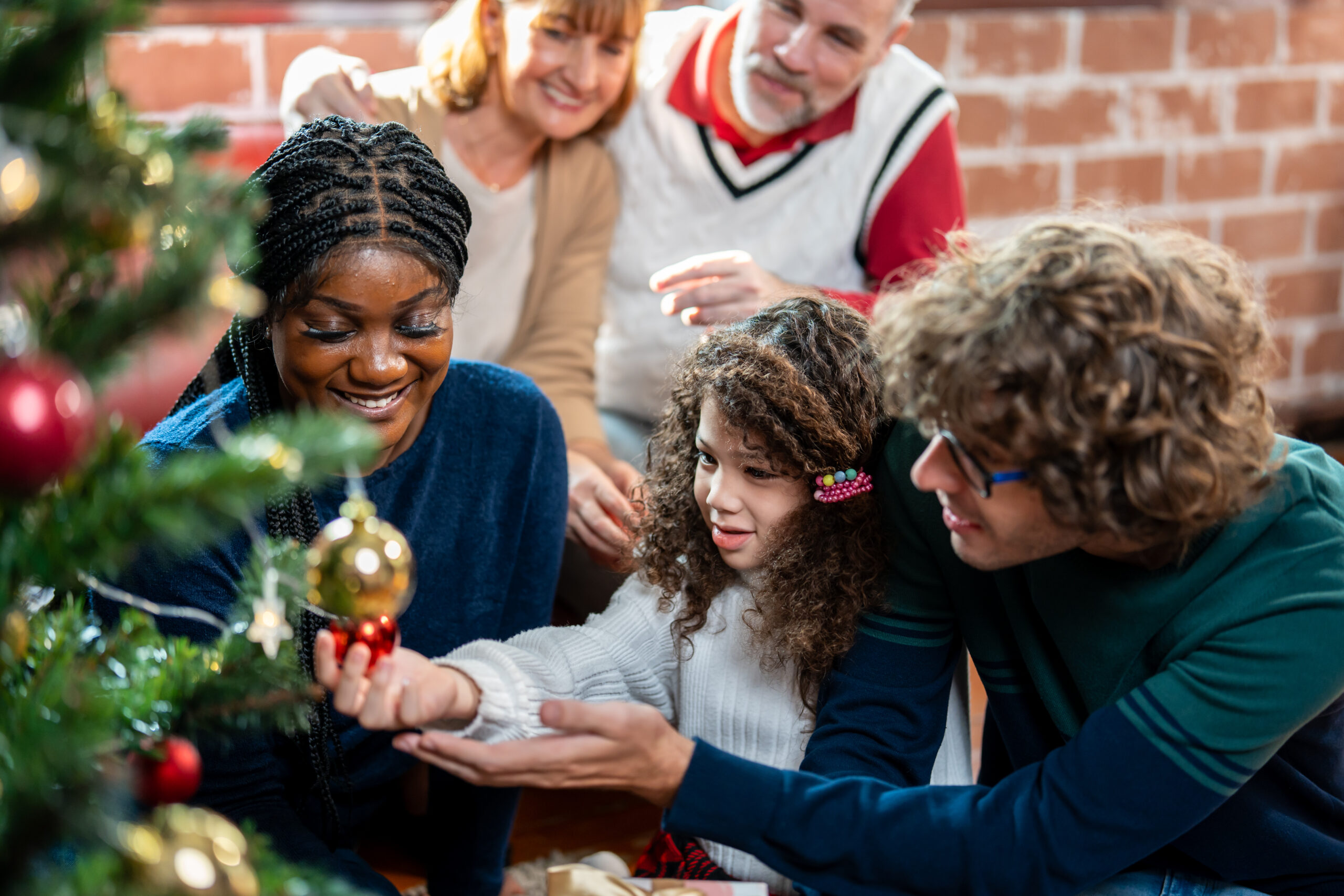
Children naturally imitate what they see. When they observe us making thoughtful financial choices — saving for something meaningful or planning how to spend wisely — they begin to internalise those habits. Demonstrating positive money management in everyday life is one of the most powerful ways to teach children lasting financial skills.
In Malta, this can be as simple as chatting aloud at the Valletta market:
“We’re choosing this one because it’s within our budget, and that means we can save for our Gozo weekend too.”
When children hear and see our reasoning, they learn that money is not about worry — it’s about making choices that align with our values.

6. Presence Over Presents;
It’s easy to get swept up in the excitement of Christmas adverts and wish lists, but what children treasure most are moments of connection, not the number of gifts they receive. Positive financial habits develop when they learn to appreciate value rather than price. By focusing more on who we share the season with than on what’s under the tree, we show that true happiness comes from presence, love, and togetherness.

Charlene
Clinical Psychologist and Family TherapistClinical Supervisor