
As parents, most of us have been there.
You’re trying to leave a birthday party, and your child refuses to put on their shoes. You say it’s time to go, and suddenly they’re on the floor crying, shouting, and refusing to move. Other parents glance over. You feel your stress levels rising. Part of you wants to reason, part of you wants to give in, and part of you just wants the ground to open up and swallow you whole.
Tantrums can be one of the most challenging aspects of parenting. They often appear at the most inconvenient moments and can leave parents feeling frustrated, helpless, or worried that they are somehow “getting it wrong.”
The good news is that tantrums are a normal part of childhood. In fact, they are often a sign that children are still learning skills that adults tend to take for granted—such as managing disappointment, coping with frustration, waiting patiently, and expressing emotions appropriately.

Looking Beyond the Behaviour
When children are overwhelmed by big emotions, their behaviour is often the first thing we notice. The screaming, crying, stomping, or refusal to cooperate can quickly become the focus of our attention.
However, underneath every tantrum is usually an emotion that feels too big for the child to handle on their own.
Perhaps your child is disappointed because playtime has ended. Maybe they are exhausted after a long day at school. Perhaps they feel frustrated because they wanted to do something independently and it didn’t work out as planned.
Young children are still developing the parts of the brain responsible for emotional regulation. When emotions become intense, logical thinking often takes a back seat. In those moments, children are not trying to make life difficult for us—they are struggling to manage feelings that seem overwhelming to them.
Instead of asking, “How do I stop this tantrum?” it can be helpful to ask, “What might my child be finding difficult right now?”
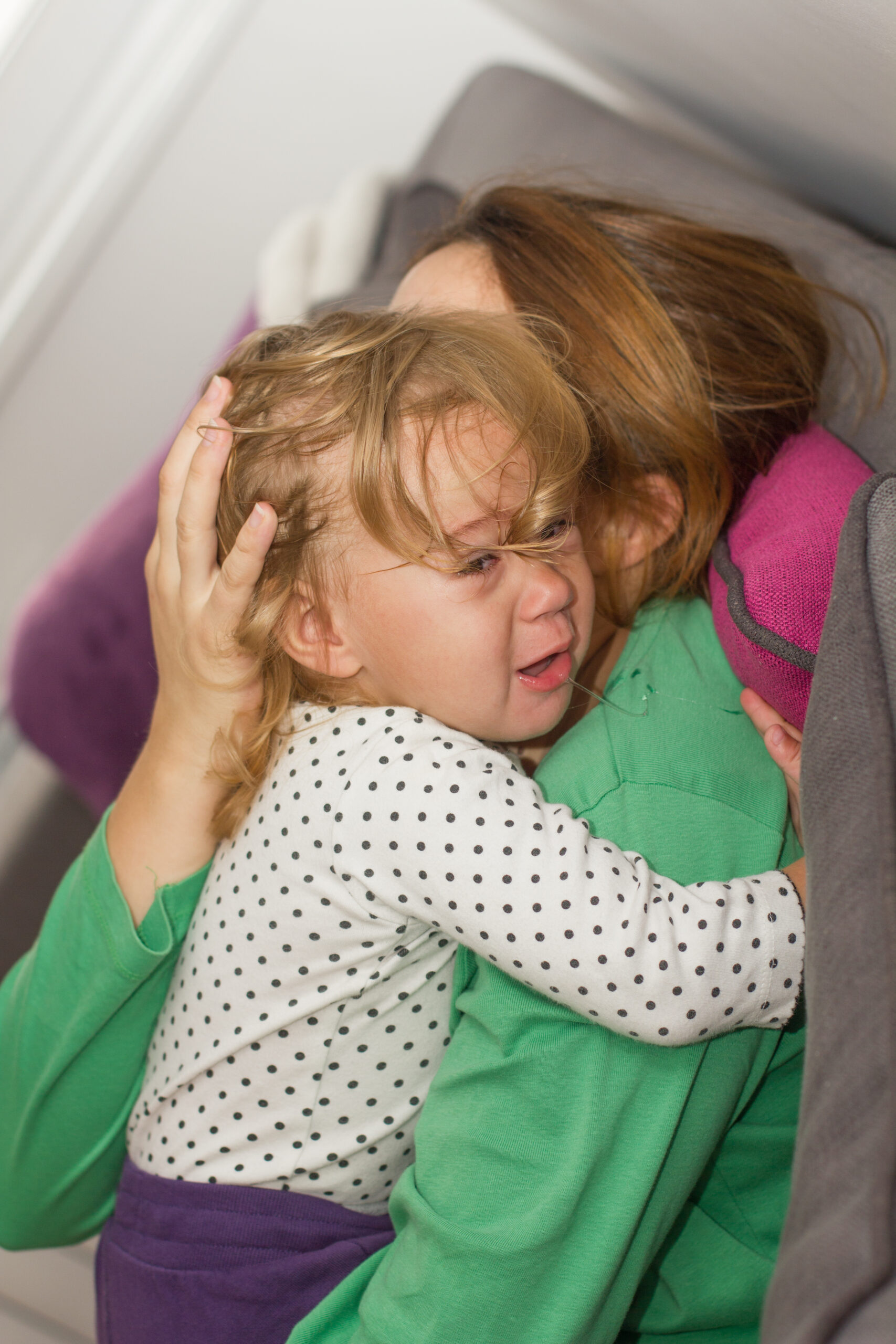
The Importance of Staying Calm
This is often easier said than done.
When children become emotionally dysregulated, parents can quickly become dysregulated too. We may feel embarrassed in public, irritated by repeated demands, or anxious that the behaviour will continue.
One of the most helpful things to remember is that your child’s emotional outburst is not necessarily a problem that needs to be fixed immediately.
Of course, we want to keep everyone safe and maintain appropriate boundaries. However, children do not always need us to stop their feelings. Sometimes they simply need us to stay present while they experience them.
Think of yourself as an anchor during a storm. The storm may be loud and intense, but the anchor remains steady.
When children see that we can stay calm even when they are upset, they gradually learn that difficult emotions are manageable rather than frightening.
Acknowledge the Feeling
One of the most powerful responses during a tantrum is also one of the simplest: helping children feel understood.
This does not mean agreeing with them or changing the boundary. It simply means recognising what they are experiencing.
For example:
- “You really wanted to stay longer at Nanna’s house.”
- “It’s hard when a game doesn’t go the way you expected.”
- “You’re upset because your sister got to choose first.”
Children often calm more quickly when they feel that somebody understands what is happening inside them.
Many parents worry that acknowledging feelings will encourage tantrums. In reality, recognising emotions helps children develop the vocabulary and awareness needed to manage those emotions more effectively over time.

Be Kind, But Keep the Boundary
Children need both empathy and limits.
Imagine your child wants another episode of a favourite programme before bedtime. They become upset when you say no.
You might respond:
“I know you’d like to watch one more episode. It’s hard to stop when you’re enjoying yourself. Today we’re finished with screens.”
Notice that the feeling is accepted, but the boundary remains.
Children are allowed to be disappointed. In fact, learning to cope with disappointment is an important life skill. When parents consistently hold reasonable limits while offering emotional support, children gradually learn that they can survive difficult feelings without always getting what they want.
Keeping Children Safe
Sometimes children may express their distress physically, for example by throwing themselves onto the floor, hitting themselves, or banging their head. In these moments, the priority is safety rather than stopping the emotion. Stay close, calmly move away any objects that could cause harm, and gently block or cushion unsafe movements if needed. You can say, ‘I won’t let you hurt your body. I’m here to help keep you safe while you feel this big feeling.’ Try to remain calm and avoid showing alarm, as your steady presence helps your child feel secure while they gradually learn safer ways to express overwhelming emotions.
What Helps During a Tantrum?
When emotions are running high, children are often unable to process long explanations or detailed discussions.
In those moments, less is often more.
You can: Inti tista’
- Stay nearby if your child wants your presence.
- Use a calm and reassuring tone.
- Keep your words brief.
- Focus on safety.
- Give your child time to regain control.
If your child is throwing toys or attempting to hit, intervene calmly and firmly.
For example:
“I won’t let the toys be thrown.”
Or
“I can see you’re very angry. I won’t let anyone get hurt.”
There is no need to shame, threaten, or lecture. The goal is to keep everyone safe while helping your child move through the emotion.
After the Tantrum
Once the tears have stopped and calm has returned, many parents feel tempted to revisit every detail of what happened.
However, the most important thing after a tantrum is often reconnection.
A cuddle, a chat while preparing dinner together, or simply returning to normal family activities can help children feel secure again.
If your child is ready to talk, you might gently explore what happened:
“That was a really difficult moment for you.”
“I wonder what we can do next time when you start feeling that frustrated.”
These conversations help children gradually develop self-awareness and problem-solving skills.
Can Tantrums Be Prevented?
Not always.
Even adults have moments when emotions get the better of them, and children are still learning.
However, there are ways to reduce the likelihood of emotional overload.
Children tend to cope better when they have:
- predictable routines
- adequate sleep
- regular meals and snacks
- opportunities for play and movement
- advance notice before transitions
- quality connection time with caregivers
Sometimes a child who appears “difficult” is actually hungry, tired, overstimulated, or simply needing more connection.

A Gentle Reminder for Parents
Perhaps the most important message is this: your child’s tantrum is not a measure of your success as a parent.
All children experience moments of emotional overwhelm. What helps them grow is not having perfect parents who prevent every outburst, but having caring adults who remain supportive through those difficult moments.
You will not respond perfectly every time. No parent does.
There will be days when you lose patience, raise your voice, or wish you had handled things differently. What matters is not perfection. What matters is your willingness to reconnect, repair, and keep showing up.
Each time you respond with calm, empathy, and clear boundaries, you are helping your child build emotional skills that will serve them long after the tantrums have passed.
And while it may not feel like it in the middle of a supermarket meltdown or a bedtime battle, those moments of steady support are shaping the foundation of emotional resilience for years to come.
Our children borrow our calm before they can create their own. Each moment of connection during their hardest moments becomes a building block for lifelong emotional resilience.

Charlene
Clinical Psychologist and Family Therapist Clinical Supervisor