Recently, I was invited to deliver a talk to parents as part of the Perinatal and Infant Mental Health Alliance Malta seminar series on The Father’s Role in Early Family Life: Supporting Paternal Wellbeing for Stronger Families. The discussion highlighted an important reality that is increasingly recognised both clinically and in research: fathers are not simply “helpers” in family life, they are essential attachment figures whose emotional wellbeing deeply shapes the health of the entire family.
As a clinical psychologist and family therapist, I often meet fathers who genuinely want to be emotionally present for their children but struggle with uncertainty, pressure, exhaustion, and the weight of expectations. Many describe wanting to “do better” than previous generations, yet they are unsure what modern fatherhood is supposed to look like.
For many men, fatherhood brings a mixture of joy, love, fear, grief, protectiveness, vulnerability, and overwhelm, often all at once. These feelings are normal. Becoming a father involves a major identity shift. Men may feel pressure to provide financially while also wanting to be more emotionally available at home. They may struggle with balancing work, caregiving, couple life, sleep deprivation, and the emotional demands of parenting.
What often goes unspoken is that fathers need support too.
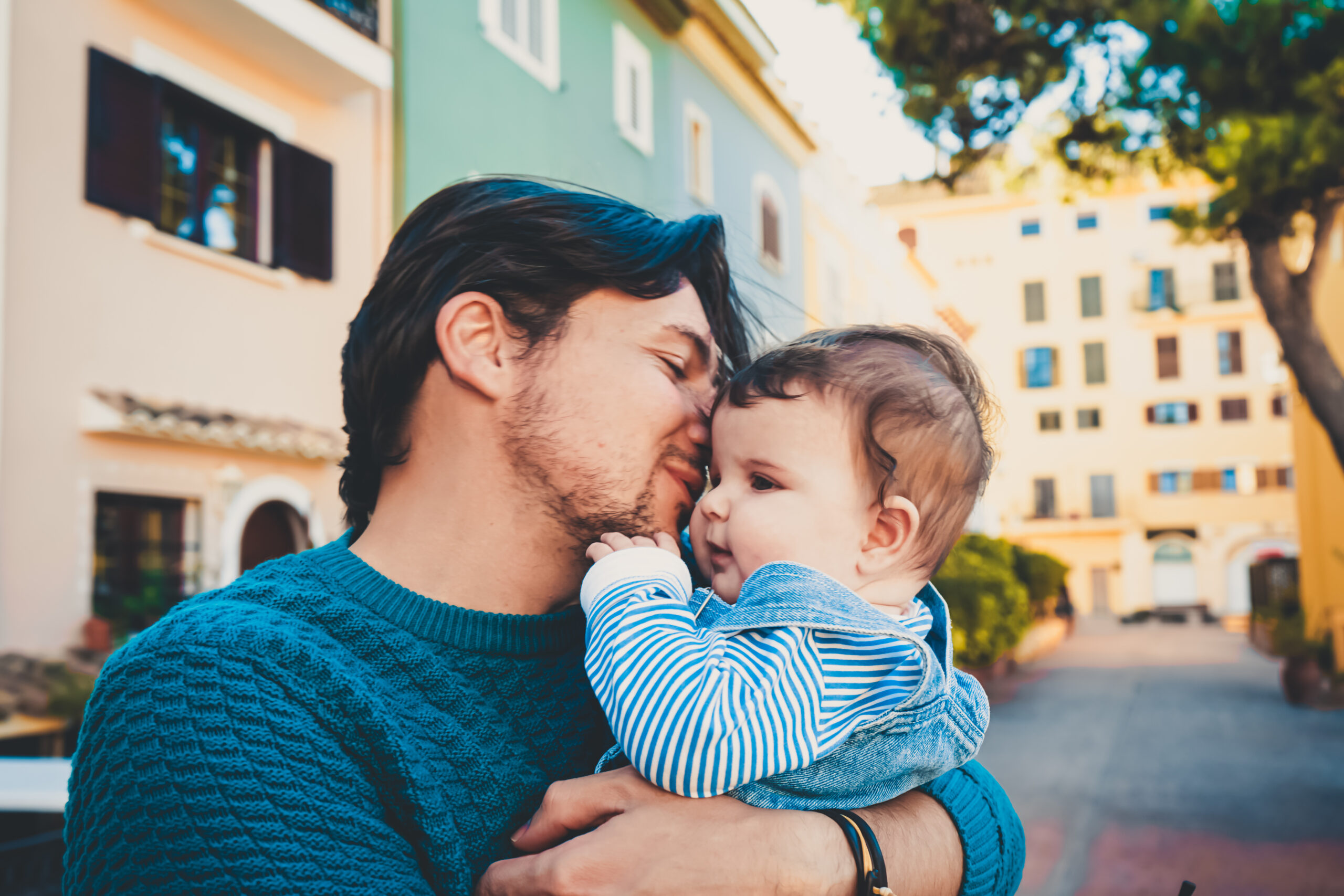
Research shows that fathers experience significant emotional and biological changes after the birth of a child. Studies have found changes in fathers’ brains and hormones that support caregiving, bonding, empathy, and emotional responsiveness. The more fathers engage in caregiving, through feeding, soothing, skin-to-skin contact, play, and emotional connection, the stronger these caregiving pathways become.
In other words, fatherhood is not only a social role; it is also a deeply human and biological transformation.
Children benefit enormously from emotionally engaged fathers. A father’s emotional availability contributes to a child’s emotional intelligence, self-esteem, resilience, social confidence, and future relationships. Children learn not only from what fathers say, but from how fathers respond to stress, manage emotions, repair conflict, and connect emotionally with others.
One of the most powerful things a father can offer a child is emotional responsiveness, noticing feelings, listening without judgment, validating emotions, and helping children feel safe when they are distressed. Children do not need perfect fathers. They need fathers who remain emotionally present, willing to repair mistakes, reconnect after conflict, and keep trying.
This is especially important for boys, who are often still exposed to harmful messages such as “boys don’t cry” or “be tough.” Boys need emotionally open fathers who model that vulnerability and emotional expression are signs of strength, not weakness. Daughters, too, are deeply influenced by paternal emotional attentiveness, which often shapes their self-worth, confidence, and future relationship expectations.

Another important aspect of fatherhood is play. Fathers often connect through physical play, teasing, excitement, and adventure. Healthy rough-and-tumble play can teach children emotional regulation, self-control, social boundaries, cooperation, and resilience, as long as the play remains safe, respectful, and attuned to the child’s signals.
At the same time, we cannot talk about involved fatherhood without talking about paternal mental health.

Paternal anxiety and depression are more common than many realise. Fathers may experience emotional isolation, irritability, burnout, emotional shutdown, or feelings of inadequacy during the perinatal period. Yet many men hesitate to seek help due to shame, fear of appearing weak, or cultural expectations around masculinity.
Sometimes emotional distress in fathers appears differently than we expect. Instead of sadness, it may show up as anger, withdrawal, excessive work, emotional detachment, or unhealthy coping behaviours. Sleep deprivation, financial stress, relationship strain, unrealistic expectations, and feeling unsupported can all increase vulnerability.
When fathers struggle emotionally, the impact is felt throughout the family system. Fathers often help shape the emotional climate of the home. Emotional tension, unresolved conflict, and chronic stress affect not only partners, but babies and children too. Young children especially experience safety through emotional tone, body language, and relationships long before they can fully understand words.
This is why supporting fathers is not separate from supporting mothers and children, it is part of the same work.
Strong support for fathers strengthens couple relationships, reduces maternal stress, promotes healthier family functioning, and contributes to better outcomes for children. Healthy families are not conflict-free families; they are families where repair, emotional safety, accountability, and connection are prioritised.
Perhaps one of the most reassuring reminders for new parents is this: presence matters more than perfection.
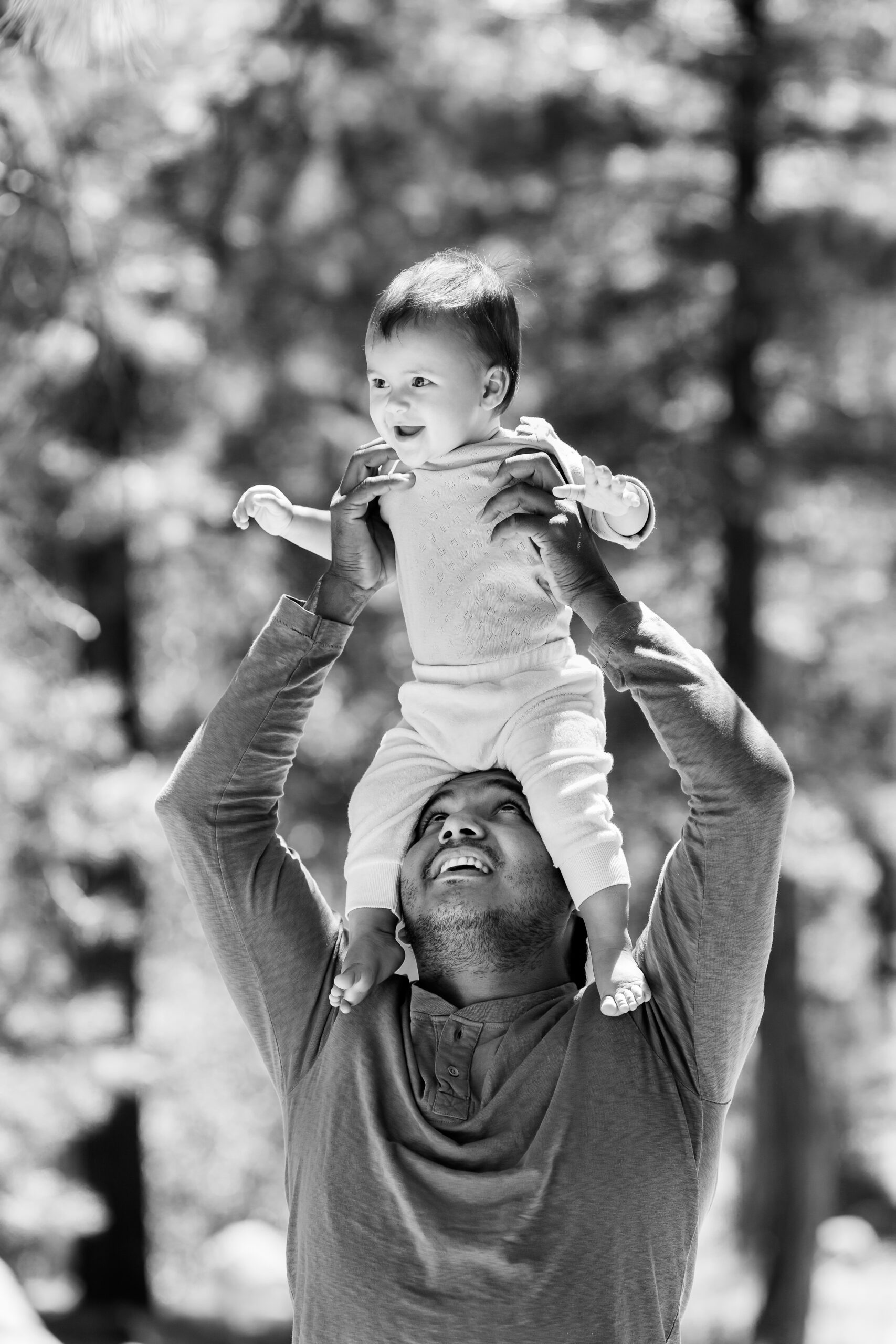
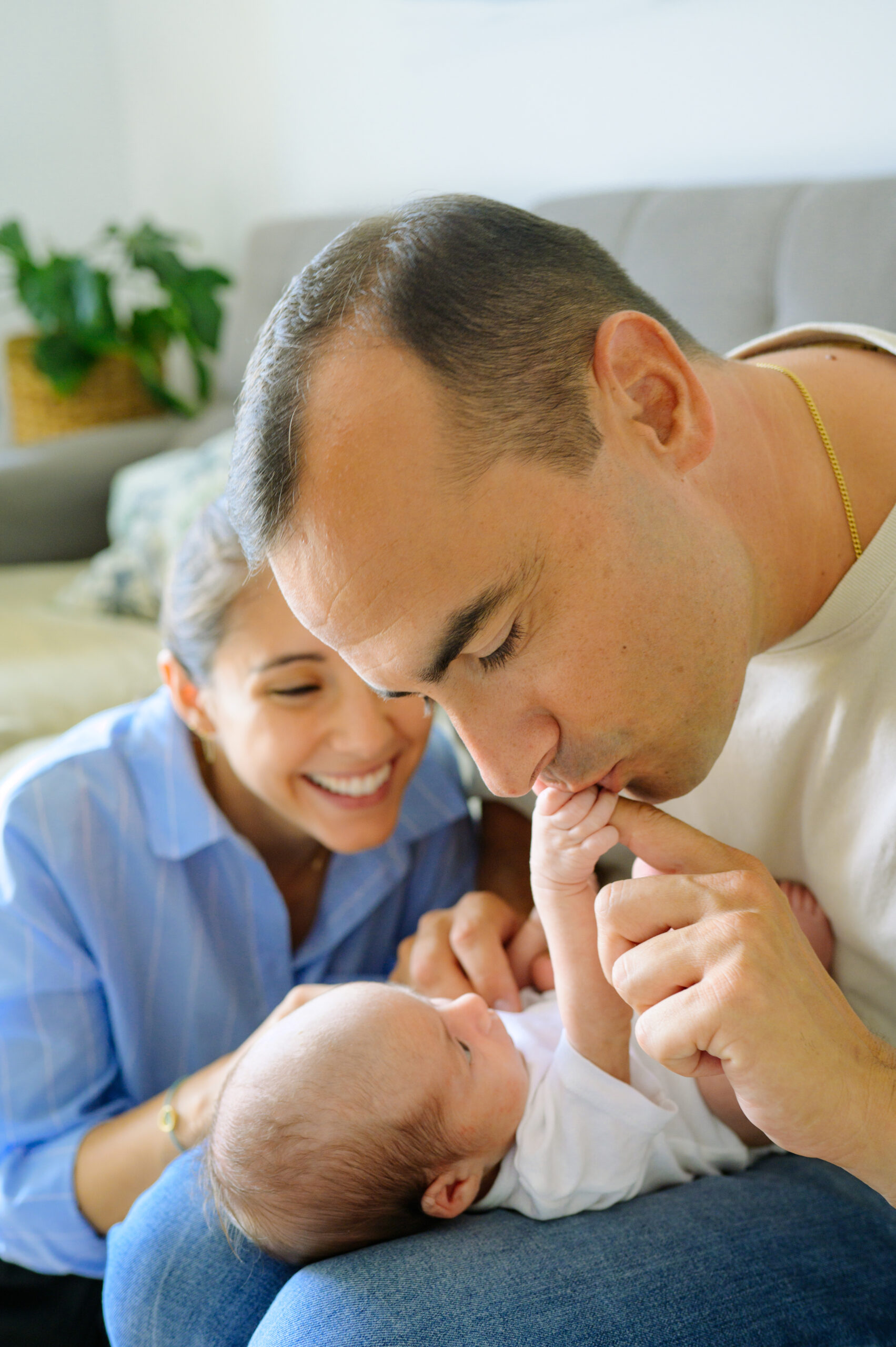
Small daily moments matter deeply. Holding the baby, responding calmly to crying, supporting a partner emotionally, singing during bedtime, listening to a child’s feelings, apologising after mistakes, these ordinary interactions build trust, attachment, and emotional security over time.
Parenting was never meant to be carried alone. Fathers deserve spaces where they can reflect, ask for help, express vulnerability, and feel emotionally supported in their transition to parenthood. When fathers are emotionally well and connected, children, partners, and families benefit profoundly.
By supporting fathers, we strengthen families from the inside out.

Charlene
Clinical Psychologist and Family TherapistAccredited clinical and psychotherapy supervisor